You can learn a lot about Nashville in one weekend, but only if you test neighborhoods with a plan. If you are relocating, buying your first home here, or trying to narrow your search from out of state, it helps to compare how different areas actually feel on the ground. This guide will show you how to use a short visit strategically so you can spot walkability, daily rhythm, and neighborhood fit without trying to see everything at once. Let’s dive in.
Why a weekend visit works
A quick trip is not enough to understand every corner of Nashville, and that is exactly why focus matters. Nashville’s official neighborhood guide separates the city into very different districts, from the entertainment-heavy Downtown core to walkable mixed-use areas, historic districts, creative pockets, and quieter residential enclaves.
The goal is not to cover the whole city. The goal is to compare a few distinct patterns so you can answer practical questions like: Where would you actually enjoy spending a normal Tuesday morning? Where does daily life feel convenient? Which areas feel more urban, more residential, or more mixed?
What to test in each neighborhood
Before you build your itinerary, decide what you are measuring. A productive scouting trip is less about checking landmarks off a list and more about noticing the signals that shape everyday life.
Here are the most useful things to test:
- Walkability: Can you comfortably move between coffee, parks, restaurants, and errands on foot?
- Street activity: Does the area feel busy, quiet, tourist-heavy, or neighborhood-oriented?
- Public spaces: Parks, greenways, and plazas often reveal how locals actually use a neighborhood.
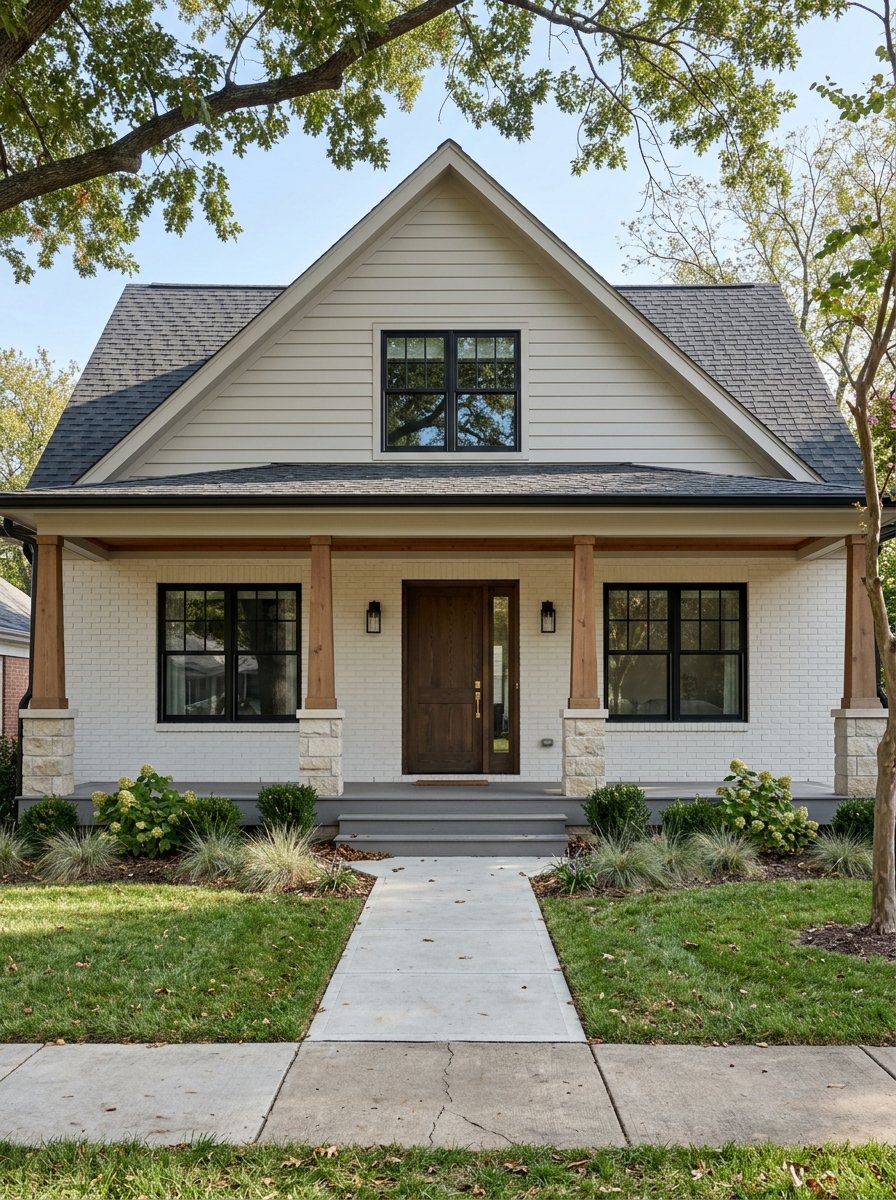
- Housing context: Look at the mix of condos, historic homes, bungalows, and newer development.
- Daily rhythm: Visit in the morning, afternoon, and evening when possible.
Coffee shops and parks are especially useful because they show local patterns fast. In Nashville, places like Shelby Park, Sevier Park, Centennial Park, Nashville Farmers’ Market, the Belcourt Theatre area, and the Bluebird Cafe help you see how different neighborhoods function beyond listing photos.
Nashville neighborhoods to prioritize
Downtown and SoBro
If you want to understand Nashville’s urban core, start here. Downtown is the live-music center, while SoBro sits just south of Broadway with hotels, restaurants, live music, convention traffic, and the Schermerhorn Symphony Center.
This stop matters because it gives you a benchmark for the city’s busiest environment. Grab coffee at Crema or Bongo Java, then walk Lower Broadway and the surrounding blocks so you can judge the energy level for yourself.
Broadway is worth seeing, but it should be only one piece of your weekend. It is useful as part of the Downtown and SoBro segment, not as a substitute for touring residential or mixed-use districts.
Germantown
Germantown offers a strong contrast to Downtown. It is a historic, walkable neighborhood just northwest of the core, with a different pace and a more neighborhood-centered feel.
Good scouting stops include the Tennessee State Museum, Bicentennial Capitol Mall State Park, and the Nashville Farmers’ Market. The market is open daily from 8:00 a.m. to 8:00 p.m., which makes it a practical lunch stop while you observe how the area feels during the middle of the day.
12South and Belmont/Hillsboro Village
If walkability is high on your list, this is one of the best areas to test. In 12South, a half-mile stretch is lined with restaurants, coffee houses, bakeries, bars, and boutiques, while Belmont and Hillsboro Village add bungalows, historic buildings, the Belcourt Theatre, Pancake Pantry, and Belmont Mansion.
Start with a morning stop at Frothy Monkey 12South, then walk through Sevier Park. After that, head toward Fido, Pancake Pantry, and the Belcourt Theatre area to compare how the district flows from one pocket to another.
East Nashville
East Nashville is one of the city’s clearest personality neighborhoods. Official descriptions emphasize an eclectic vibe, historic homes, coffee shops, dive bars, live music, art, and vintage shopping.
For a weekend test drive, begin at Frothy Monkey East Nashville and spend time in Shelby Park. This area is especially useful if you want to compare residential blocks with a more creative, nightlife-oriented identity.
The Gulch and Wedgewood-Houston
These two neighborhoods highlight Nashville’s newer urban edge and arts scene. The Gulch is an exceedingly walkable, LEED-certified district known for murals, condos, live music, breweries, and a wide range of restaurants.
Wedgewood-Houston shifts the feel again with galleries, studios, workshops, restaurants, distilleries, and breweries. A coffee stop at Barista Parlor in The Gulch gives you a simple anchor before you loop through both areas.
Sylvan Park and Green Hills
These neighborhoods help you compare a quieter residential setting with a shopping-oriented suburban enclave. Sylvan Park is largely residential, centered on Murphy Road and McCabe Park, with the Richland Creek Greenway nearby.
Green Hills is known as a desirable suburban enclave with upscale shopping and the Bluebird Cafe. If you are trying to understand how west-side neighborhoods differ from Nashville’s more urban districts, this pairing is a useful reality check.
The best two-day weekend route
If you only have two days, keep the plan tight. You will learn more from a few strong contrasts than from rushing through too many areas.
Day 1: Downtown, SoBro, Germantown, and Midtown
Start your morning in Downtown or SoBro with coffee at Crema or Bongo Java. Walk Lower Broadway and the nearby blocks first so you can get a clear sense of the entertainment core before the day fills up.
Next, head to Germantown for lunch at the Nashville Farmers’ Market. After lunch, spend time in Bicentennial Capitol Mall State Park to evaluate the neighborhood’s public-space feel and how it compares with Downtown.
If time allows, use Centennial Park as another benchmark before ending the day. This gives you a strong contrast between convention and tourism energy, historic walkability, and major public park access.
Day 2: 12South, Belmont/Hillsboro Village, and Green Hills
Begin in 12South with breakfast at Frothy Monkey 12South or another stop along 12th Avenue South. Walk Sevier Park and the surrounding blocks to see how the area feels during a normal morning.
Then continue to Belmont and Hillsboro Village for Fido, Pancake Pantry, and the Belcourt Theatre area. This part of the route is especially helpful if you want to compare walkability, housing style, and day-to-day convenience.
End in Green Hills with a stop near the Bluebird Cafe and the Mall at Green Hills. By the end of the day, you should have a clearer sense of whether you prefer mixed-use walkability or a more suburban setup.
The best three-day relaxed route
If you can extend your visit, use day three to test neighborhood personality. This is where Nashville starts to feel less like a list of places and more like a city of distinct patterns.
Day 3: East Nashville, Wedgewood-Houston, and Sylvan Park
Start in East Nashville with coffee and a walk through Shelby Park. Pay attention to how the residential streets, commercial pockets, and green space connect.
From there, move to Wedgewood-Houston for galleries, studios, and the neighborhood’s arts-focused atmosphere. Then finish in Sylvan Park with time at McCabe Park and a stop at 8th & Roast.
If you want a larger green-space benchmark, Warner Parks offer more than 3,100 acres of trails and recreation about 9 miles from downtown. That can be a useful add-on if access to outdoor space is part of your search criteria.
Which Nashville neighborhoods feel most walkable?
Based on the strongest official walkability signals, 12South, The Gulch, Germantown, and Belmont/Hillsboro Village are the best areas to test first. Each gives you a different version of walkability, from newer urban density to historic mixed-use blocks.
That said, walkability is not one-size-fits-all. Some buyers want a compact district with condos and restaurants close together, while others want a neighborhood where parks, local businesses, and residential streets all feel connected.
Which neighborhoods feel more residential?
If you want areas that read more clearly as residential or suburban, start with Sylvan Park and Green Hills. Sylvan Park feels quieter and more neighborhood-centered, while Green Hills offers a different kind of residential experience tied to shopping and suburban convenience.
East Nashville can also be part of this comparison, but it blends residential blocks with a stronger creative and nightlife identity. That mix can be a plus or a minus depending on what you want.
Smart tips for your scouting trip
A weekend visit works best when you treat it like field research. You do not need a perfect itinerary, but you do need a consistent method.
Use these simple rules:
- Visit each area at the time of day you would likely use it most
- Park once and walk as much as possible
- Note traffic, noise, and foot activity
- Compare at least one park or green space in every area
- Stop at a coffee shop and observe who is there
- Leave room between stops so the city does not blur together
If you are relocating from out of state, this kind of structure can save time and reduce decision fatigue. It also makes follow-up home tours much more productive because you already know which neighborhood patterns fit your lifestyle.
How to turn your weekend into a real decision
After each stop, write down what stood out right away. Keep your notes simple: walkability, pace, housing style, public space, and overall fit.
By the end of the weekend, you are not trying to choose the perfect block. You are trying to narrow Nashville into a few strong candidates so your next round of tours can be more targeted, efficient, and informed.
If you are planning a move to Nashville and want a more strategic neighborhood short list before you arrive, Karen Wanamarta can help you build a focused plan that fits your goals and timeline.
FAQs
Which Nashville neighborhoods are best to test for walkability on a weekend visit?
- 12South, The Gulch, Germantown, and Belmont/Hillsboro Village show the strongest official walkability signals and are great starting points for a weekend scouting trip.
Should you visit Broadway when scouting Nashville neighborhoods?
- Yes, but only as part of your Downtown and SoBro tour, since Broadway helps you understand the urban core but does not replace time in residential or mixed-use neighborhoods.
Which Nashville neighborhoods feel most residential to homebuyers?
- Sylvan Park and Green Hills read most clearly as residential or suburban, while East Nashville mixes residential streets with a more creative and nightlife-oriented identity.
What Nashville stops reveal local life fastest during a weekend visit?
- Coffee shops and public spaces are the fastest indicators, with useful stops including Shelby Park, Sevier Park, Centennial Park, Nashville Farmers’ Market, the Belcourt Theatre area, and the Bluebird Cafe.
Is two days enough to compare Nashville neighborhoods?
- Yes, if you focus on a few contrasting areas like Downtown and SoBro, Germantown, 12South, Belmont/Hillsboro Village, and Green Hills instead of trying to cover the whole city.