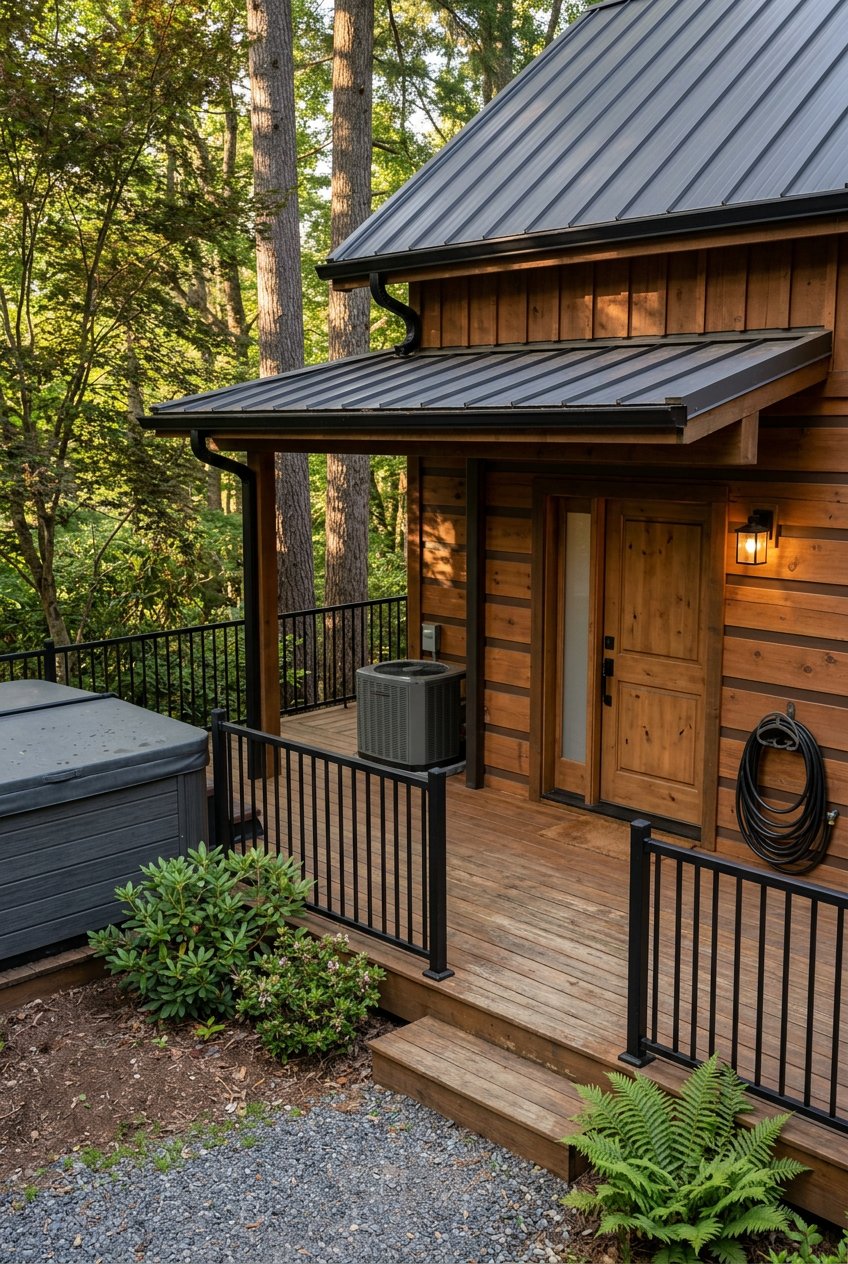
Thinking about buying a Smokies cabin and renting it out? Owning a Gatlinburg cabin rental can be rewarding, but it works best when you treat it like a small hospitality business. You want steady bookings, great reviews, and a plan for the rules and risks. In this guide, you’ll learn how demand really works here, what permits and taxes you need, what day-to-day operations look like, and how to prepare if you live out of state. Let’s dive in.
Gatlinburg demand and competition
Gatlinburg’s demand starts with the Great Smoky Mountains National Park. The park drew about 13.3 million visits in 2023 and generated roughly 2.2 billion dollars in local spending, which supports strong year-round tourism in Sevier County. You benefit from that scale, especially in peak seasons and holidays. National Park visitation and spending data shows why cabins perform when they are marketed well.
At the same time, you’re entering a mature market with plenty of competition. Sevier County estimates several thousand short-term rentals operate locally, and the county now runs a formal STR permit and inspection program. That tells you two things: there’s proven demand and you must deliver a safe, compliant, guest-ready product to stand out. Review the Sevier County STR permit program before you buy.
Seasonality is real. Summer, early fall, and holiday periods typically bring the highest occupancy and nightly rates. Weekends outperform weekdays, while midweek shoulder periods are softer. Location and amenities matter a lot in this market. Views, hot tubs, a fireplace, easy access to the Strip or the park, a game room, and strong Wi‑Fi can all lift your average daily rate.
Rules, permits, and taxes
Getting the rules right early keeps you out of trouble and protects your income stream.
City vs. county permits
If your cabin sits inside Gatlinburg city limits, you need a Tourist Residency Permit. The city publishes a fee schedule, including a base fee of 200 dollars that covers up to two bedrooms, plus 75 dollars per additional bedroom. Confirm your zoning allows a tourist residence before you bid, then apply for the permit and inspection. Start with the Gatlinburg Tourist Residency Permit page.
If your property is in unincorporated Sevier County, you’ll apply under the county’s Short-Term Rental Unit program. The county requires an annual permit, life-safety inspections, and fees that vary by occupancy. A typical unit that sleeps 12 or fewer is 250 dollars per year, with re-inspection fees if you fail safety checks. Read the Sevier County STR permit overview and budget for any corrective work.
Zoning matters as much as permitting. Gatlinburg’s code defines where tourist residences are allowed and restricts them in certain residential zones. Always confirm zoning for the exact address using the city’s published ordinances and planning contacts. You can review the Gatlinburg municipal code reference as a starting point.
Sales and lodging taxes
Short-term rentals in Tennessee are subject to state and local sales tax. Platforms may collect some taxes for you, but the owner is responsible for proper registration and remittance. See the Tennessee Department of Revenue guidance on short-term rentals to understand what applies to you.
For Sevier County specifically, plan for the local lodging tax and verify which rates apply by address. Outside certain municipalities, the county lodging tax is 3 percent and is remitted monthly to the trustee. Owners typically register for the combined state and local sales tax as well. Read the county’s instructions on lodging tax registration and remittance.
Insurance and state law
Tennessee law sets a baseline for short-term rentals, including life-safety focus and insurance expectations. Historically, guidance referenced at least 500,000 dollars of liability coverage, but you should confirm current requirements and your carrier’s position on short-term rental use. Start with the text of Tennessee’s Short-Term Rental Unit Act and talk with your insurer about appropriate coverage and any umbrella policy.
Daily operations and guests
Owning a cabin rental is part real estate, part hospitality. Your reviews and revenue rise and fall on guest experience.
What guests expect
Guests expect clean spaces, reliable HVAC and hot water, strong Wi‑Fi, accurate photos, and simple check-in. Clear house rules on noise, parking, trash, and hot tub or fireplace use will reduce issues and protect your permit. If you offer a hot tub or premium outdoor space, recognize that those amenities boost perceived value and average rates, but they also add maintenance.
Vendor network you need
Even with a manager, you’ll need a dependable local bench of cleaners, handymen, HVAC techs, a plumber, and a hot tub technician. Add a certified chimney sweep if you allow fireplace use, plus pest control familiar with wildlife. Many permits expect a local contact who can respond quickly, so plan for a manager or designated local agent who is reachable on short notice.
Pricing and platforms
Most owners list on multiple channels to expand reach and hedge risk. Dynamic pricing helps you capture peak periods and special-event weekends. If you work with a full-service manager, ask how they handle pricing strategy, minimum-stay rules, and calendar control across platforms.
Maintenance and local risks
A mountain cabin has unique upkeep and environmental risks. Plan for both before you buy.
Cabin upkeep to budget
If you advertise a hot tub, expect frequent water checks, chemical balancing, and occasional part replacements. Schedule annual chimney inspections and sweeps if guests use fireplaces. Test HVAC and water heaters before peak seasons. If your property uses a septic system, monitor usage and service intervals, and respond quickly to guest reports.
Wildfire and wildlife
Gatlinburg has a real wildfire history, including a major event in 2016 that reshaped local emergency planning. Review the 2016 wildfire event overview and price insurance that reflects your amenity set and location. Black bears are common in the area, and Gatlinburg requires animal-resistant trash containment in many zones. Use approved containers and include guest guidance that follows Gatlinburg’s bear-resistant trash ordinance.
Costs and cash flow basics
Your cash flow depends on smart underwriting and realistic expense planning.
Core expense categories
- Mortgage and property taxes
- Insurance that covers short-term rental activity, plus liability umbrella if needed
- Management fees if you hire a full-service operator
- Cleaning and laundry per turnover, plus restocking
- Utilities and internet, with higher winter heating costs for some cabins
- Maintenance and capital reserves for hot tubs, decks, roofs, chimneys, and driveways
- State and local sales tax, plus county lodging tax, and basic bookkeeping
Manager fee models
Full-service managers often charge roughly 15 to 35 percent of gross rental revenue, depending on services and scale. Items to clarify include marketing, dynamic pricing, guest communications, cleaning oversight, maintenance coordination, emergency response, and owner reporting. Ask for an itemized fee schedule and sample P&Ls for comparable cabins before you sign.
Playbook for out-of-state buyers
Use this step-by-step plan to reduce surprises and move fast when the right cabin hits the market:
- Verify zoning for the specific address and confirm it can operate as a tourist residence or STR under city or county rules. Check HOA or CCR limits as well.
- Confirm the required permit by location: Gatlinburg’s Tourist Residency Permit if in city limits, or the Sevier County STR permit for unincorporated areas. Budget fees and any safety upgrades.
- Register for taxes. Follow the Tennessee sales tax guidance and the county’s lodging tax registration. Verify what platforms collect automatically.
- Get insurance quotes for STR coverage, confirm liability limits, and consider an umbrella policy that suits your amenities and permitted occupancy.
- Interview 2 to 3 local managers. Request service scope, response-time standards, vendor lists, and sample owner statements.
- Inspect the property for driveway access, winter conditions, internet capability, septic or well needs, and any wildfire or flood exposure. Build a capital plan for required safety fixes.
- Prepare guest materials and operations: accurate directions, clear house rules, hot tub and fireplace instructions, and wildlife and trash guidance that aligns with local rules.
Is a Gatlinburg cabin right for you?
If you want a blend of personal use and income with strong tourism demand, Gatlinburg can work well. You’ll need to embrace hospitality basics, budget for maintenance, and stay compliant on permits and taxes. With a realistic plan, disciplined underwriting, and a reliable local team, you can create a durable asset that performs through seasons and market shifts.
Work with a proven local team
You do not have to figure this out alone. Our team specializes in Smokies short-term rentals and investor-grade analysis. We help you verify zoning and permits, underwrite revenue and expenses with conservative assumptions, coordinate virtual tours and inspections, and introduce you to vetted managers and vendors. Ready to explore Gatlinburg cabins with a clear strategy? Karen Wanamarta can help you invest with confidence.
FAQs
What should first-time Gatlinburg STR buyers know about permits?
- Inside city limits, apply for Gatlinburg’s Tourist Residency Permit; outside, use Sevier County’s STR program with annual inspections and fees tied to occupancy.
How are taxes handled on a Gatlinburg short-term rental?
- Short-term rentals are subject to Tennessee state and local sales tax, plus Sevier County lodging tax; register and verify what platforms collect, then remit the rest on time.
What amenities increase bookings for Smokies cabins?
- Hot tubs, fireplaces, mountain views, outdoor seating, strong Wi‑Fi, and game spaces often lift perceived value and rates when maintained and presented well.
How hands-on is management if I live out of state?
- Expect to hire a local manager or designate a responsive local contact for guest issues, cleanings, safety checks, and emergencies to protect reviews and permits.
What risks should I insure against in Gatlinburg?
- Confirm STR coverage for liability and property, consider an umbrella policy, and review wildfire exposure and amenity risks like hot tubs and fireplaces with your carrier.