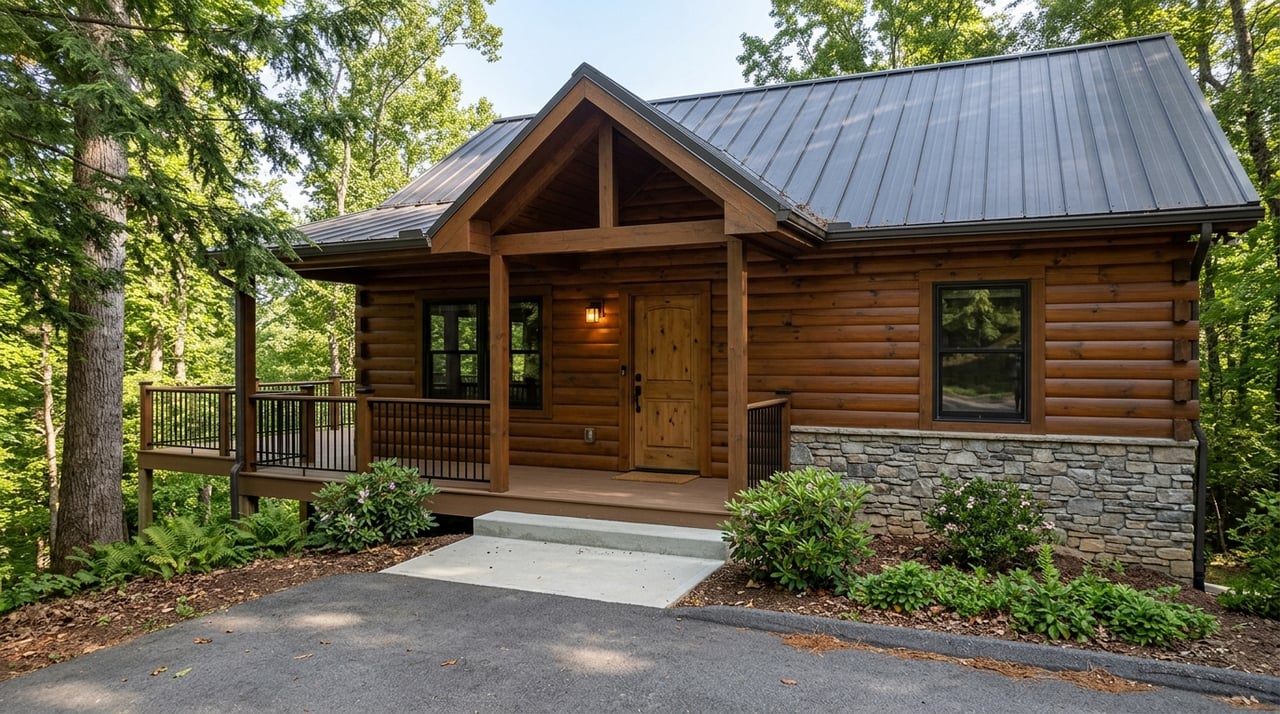
Looking at Pigeon Forge cabins from a guest-demand angle can save you from buying the wrong kind of location. A cabin with pretty views is not always the cabin guests choose most often, especially in a tourism market driven by short stays, car travel, and attraction-heavy itineraries. If you want to understand where cabin guests prefer to stay in Pigeon Forge, this guide breaks down the main location patterns and what they can mean for your search. Let’s dive in.
Why location patterns matter
Pigeon Forge is a tourism-led market at scale. According to the City of Pigeon Forge 2023 profile, the city has more than 15,000 lodging units, around 100 attractions along or near the Parkway, and tourism is its number one industry.
That scale shapes guest behavior. The same city profile notes that Pigeon Forge sits within a day’s drive of more than 140 million consumers, which helps explain why many trips are car-based and convenience matters.
The broader demand engine is also unusually strong. The National Park Service reported 11,527,939 recreation visits to Great Smoky Mountains National Park in 2025, and the park’s stewardship information says 12.2 million visitors came in 2024.
Guests often prefer convenience first
If you strip the market down to how visitors actually move through it, many guests appear to prioritize easy access to entertainment, dining, and major attractions. That is why the strongest clustering pattern tends to center around the Parkway and connected activity hubs.
The Pigeon Forge Greenway map connects major demand anchors including Dollywood, The Island, the LeConte Event Center, and Patriot Park, with access to restaurants, attractions, and lodging along the route. The same map identifies The Island at 131 The Island Drive and the Old Mill District at 175 Old Mill Avenue.
For many guests, especially first-time visitors, that kind of proximity is practical. They can spend less time navigating and more time doing the things they came to Pigeon Forge to do.
Parkway and Teaster core
For short stays and attraction-heavy trips, the Parkway and Teaster Lane core is often the most natural fit. Guests staying here are typically trying to stay close to the center of activity rather than isolate in a remote mountain setting.
Traffic patterns support that idea. The official Pigeon Forge visitor FAQ says Parkway traffic usually moves more smoothly in the morning and peaks in the afternoon, while Veterans Boulevard from Sevierville to Teaster Lane can sometimes be a faster alternative.
That tells you something important about guest preference. Visitors know traffic is part of the experience, so many choose locations that keep them near the places they expect to visit most.
Pigeon Forge also offers practical mobility tools in this core area. The city’s travel planning information notes free parking at Patriot Park and the Municipal Lot, plus free tram service to The Island and the LeConte Center, which can make central locations even more appealing for guests planning packed itineraries.
Who this area fits best
Guests who often prefer the Parkway and Teaster core include:
- First-time Pigeon Forge visitors
- Weekend or short-stay guests
- Families planning to visit multiple attractions
- Travelers who want easy access to restaurants and entertainment
- Guests who care more about convenience than seclusion
From an investor mindset, this area often aligns with ease-of-use demand. Guests may accept a less remote setting if it helps them stay closer to the action.
Dollywood corridor demand
Dollywood is its own demand driver, and it should be treated that way. Guests coming specifically for Dollywood or Splash Country often benefit from staying in the south Pigeon Forge corridor near that attraction cluster.
According to Dollywood’s contact page, the park is located at 2700 Dollywood Parks Blvd in Pigeon Forge. Dollywood also notes that its DreamMore and HeartSong resorts are just minutes from Dollywood and Splash Country.
The greenway map adds another useful detail. It shows a Veterans Boulevard connection ending at Goldrush Road across from Dollywood, Splash Country, and DreamMore Resort, reinforcing that this is a connected and highly relevant guest zone.
For a buyer or investor, this matters because not every guest is booking “Pigeon Forge” for the same reason. Some are really booking for a Dollywood-centered trip, and their location preferences may be narrower and more targeted.
Why guests choose this corridor
Guests drawn to the Dollywood area may be looking for:
- Faster access to Dollywood and Splash Country
- Less back-and-forth driving across town
- A stay built around one major attraction anchor
- Family trip convenience
This corridor can be especially relevant when the trip itinerary is simple and destination-specific.
Wears Valley and foothills appeal
Not every guest wants the center of the action. Some want scenic driving, more privacy, and a quieter experience that still keeps them connected to the Smokies.
That is where the west-side and foothills areas come into the conversation. The National Park Service describes the Foothills Parkway as a quieter Smokies drive with less crowding, and it also notes that Wears Valley Road can be used as a detour for some park road work.
The Pigeon Forge trolley system includes Wears Valley Road service, which supports the idea that this area is not isolated so much as differently positioned. For some guests, that tradeoff is attractive.
Who prefers this side of the market
Wears Valley and foothills-area cabins may appeal more to guests who:
- Want mountain or scenic surroundings
- Prefer more privacy and less crowding
- Plan a slower, park-oriented trip
- Value the drive experience itself
- Do not need to be in the entertainment core every day
In plain English, these guests are often choosing the setting as much as the itinerary. That is a different booking motivation than the Parkway guest.
Amenities still shape preferences
Location is only part of the story. In Pigeon Forge, guest preference also tracks closely with the kind of cabin experience travelers expect.
Official tourism listings highlighted by Tennessee Vacation consistently describe cabins and chalets as space-forward stays with full kitchens, hot tubs, washers and dryers, decks, game rooms, mountain or river views, and sometimes indoor pools.
Those features line up with actual visitor patterns. The National Park Service stewardship page says the winter 2023 survey found that over half of car travelers reported two-person groups, with one-person and four-person groups next most common, while the summer 2022 survey found a median local stay of 4 days.
That suggests two strong cabin product types in this market:
- Couple or small-family cabins that balance privacy and convenience
- Larger group cabins for multi-family, multi-generational, or friend-group travel
The city profile also says Pigeon Forge marketing focuses primarily on leisure and group travel, which helps explain why larger cabins, chalets, and lodge-style properties hold an important niche alongside traditional lodging.
Seasonality affects where guests book
Pigeon Forge is not just a summer market. Great Smoky Mountains National Park is open 24 hours a day, 365 days a year, and visitation remains a year-round demand driver.
That said, some seasons put more pressure on specific locations. The National Park Service says June through October were the busiest months in 2023, while Pigeon Forge’s tourism bureau notes that Winterfest runs the full length of the Parkway and features more than six million lights.
This matters because guest location preferences can shift by trip purpose and time of year. A guest coming for peak fall activity may think differently than a guest booking a quieter winter cabin stay.
What this means for investors
If you are evaluating cabins as an investment, the key takeaway is simple: guests do not all define “best location” the same way. In Pigeon Forge, demand appears to split across a few repeatable patterns.
A useful shorthand based on the visitor studies, road guidance, and corridor maps in the research is this:
| Guest trip style | Areas guests often prefer | Main reason |
|---|---|---|
| First-time, short-stay, entertainment-heavy trips | Parkway, The Island, Teaster core | Convenience and activity access |
| Dollywood-focused family trips | South Pigeon Forge corridor | Faster access to Dollywood and Splash Country |
| Scenic, quieter, park-oriented trips | Wears Valley and foothills areas | Privacy, views, and less crowding |
That does not mean one area always outperforms another. It means your underwriting should match the likely guest profile for that location.
Sevier County’s scale reinforces why that matters. According to Tennessee’s 2024 Economic Impact Share report, Sevier County generated $3,851,460,800 in direct visitor spending in 2023 and ranked third in Tennessee.
In a market this large, buying based on your own vacation taste alone can be risky. A better approach is to ask what type of guest the property serves best, how that guest moves through Pigeon Forge, and whether the cabin’s location and amenities fit that demand pattern.
If you are thinking about buying a cabin in Pigeon Forge, working with an advisor who understands both guest behavior and investment analysis can make a big difference. Karen Wanamarta helps buyers think through location, demand fit, and acquisition strategy with a practical, data-driven approach.
FAQs
Where do most Pigeon Forge cabin guests prefer to stay?
- Many guests appear to cluster around the Parkway and connected activity hubs because they want easy access to attractions, dining, and entertainment.
Is the Parkway the best area for every Pigeon Forge cabin guest?
- No. Guests focused on Dollywood may prefer the south corridor, while guests seeking views, privacy, and a quieter trip may lean toward Wears Valley or foothills-area cabins.
Why do Pigeon Forge guests often choose cabins near attractions?
- Pigeon Forge is a car-based, tourism-heavy market, so many visitors prioritize convenience, shorter drive times, and easier access to major trip anchors.
What type of cabin amenities do Pigeon Forge guests usually want?
- Common amenities include full kitchens, hot tubs, washers and dryers, decks, game rooms, and mountain or river views, with some properties also offering indoor pools.
How should investors use guest location preferences in Pigeon Forge?
- You should match the property’s location, layout, and amenities to the type of guest most likely to book that area rather than assuming every traveler wants the same experience.